

Are you on the lookout for a home that fits both your needs and budget? One of the key decisions when buying an apartment is whether to opt for a lower or higher floor. Each choice comes with its own set of advantages and disadvantages, which can significantly influence a buyer’s decision. 99acres breaks down the pros and cons of high-rise versus low-rise apartments to help you make an informed choice.
With India’s growing population and limited land, vertical expansion in real estate has become increasingly common. Today, residential buildings often rise up to 100 floors, qualifying as skyscrapers. While living on higher floors may appeal to many, some prefer the comfort and convenience of being closer to the ground. According to the Indian Building Code, buildings up to 15 meters from the first fire engine access point are classified as low-rise.
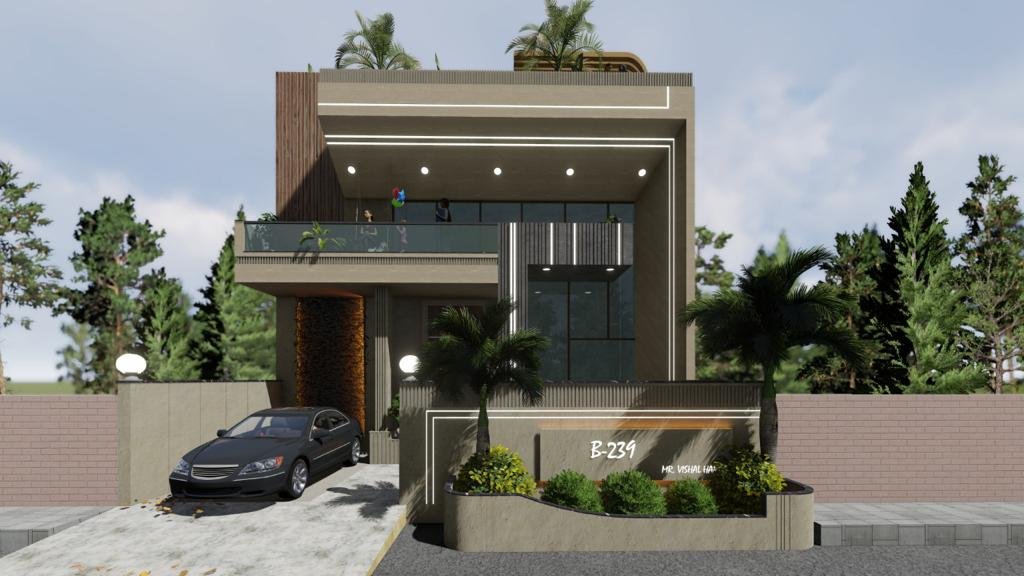
High-rise buildings can house numerous apartments across multiple floors, while low-rise buildings typically have four floors or fewer. In low-rise builder-floor units, each floor usually accommodates a single dwelling.
Low-Rise Apartments
Advantages:
- Lower floors eliminate the need for elevators.
- Maintenance and energy costs are generally lower than in high-rise buildings.
- Compliance with fire safety norms is simpler, and evacuation during emergencies is easier.
- Low-rise buildings often offer greater luxury and can have higher resale value.
- Easy access to streets, markets, parks, and other local amenities.
- Proximity to the ground allows better utilization of garden or outdoor spaces.
Disadvantages:
- Ground and first-floor units can be more vulnerable to security risks.
- Prone to damage during floods.
- Limited access to scenic views compared to higher floors.
Rising Popularity:
Buyers are increasingly drawn to low-rise developments due to their exclusive amenities and sense of community. For example, the Nitara Group in Delhi NCR has made a name with its low-rise projects along Golf Course Extension Road, offering 3 BHK, 4 BHK, and 5 BHK builder floors in Simplex, Duplex, and Triplex layouts. A standout project is Nitara Anantraj in Sector 63A, Gurgaon, offering 4 BHK apartments of 1950 sq ft, priced starting at Rs 3.25 crore.
High-Rise Apartments
Advantages:
- Upper floors provide quieter surroundings, cleaner air, better ventilation, and scenic views.
- More privacy compared to lower floors.
- Enhanced security systems, making intrusions less likely.
- Elevators make accessing higher floors convenient.
- Larger number of units gives buyers more options to choose from.
Disadvantages:
- Evacuation in emergencies, especially fires, can be difficult, particularly for families with disabled members.
- Construction costs are typically 20–25% higher than low-rise buildings.
- Cleaning and maintaining the exterior is more challenging and expensive.
- Higher vulnerability to earthquake damage.
Checking Earthquake Resistance of Buildings
Ensuring your building is earthquake-resistant is crucial. Here are some tips for evaluating structural safety:
- Number of floors: Buildings with one or two storeys and walls one brick thick are safer than taller structures.
- Wall thickness: Thicker, load-bearing walls provide better safety; excessive openings or small piers can weaken the building.
- Mortar type: Cement-sand mortar in a 1:6 ratio is preferred for strength; lime-based mortars are weaker.
For a comprehensive assessment, it is advisable to consult a geotechnical engineer or structural auditor, who can provide detailed evaluations and recommendations based on your building’s specific conditions.
Frequently Asked Questions:
- High-rise apartments offer better privacy and security on upper floors.
- They provide cleaner air, more natural light, and better ventilation.
- Scenic views from higher floors are often more appealing.
- Elevators make accessing upper floors convenient.
- High-rise buildings can accommodate more housing units, giving buyers more options.
High-rise buildings generally have a construction cost that is 20–25% higher per square foot than low-rise buildings due to structural requirements, elevators, safety systems, and maintenance considerations.
Low-rise buildings are less expensive to build, maintain, and manage, making them a more cost-effective option in terms of construction and long-term upkeep.






Join The Discussion