

Developed vs Developing Localities: Where Should You Invest in Real Estate?
When searching for a home, one of the most crucial factors to consider is location. The choice between a developed locality and a developing one can significantly impact your lifestyle, budget, and the potential returns on your investment. Both types of localities have unique advantages and challenges, and understanding them can help you make a smarter real estate decision.
Why Location Matters
Your home’s location affects your daily life—commute times, access to schools and hospitals, shopping options, and even your quality of life. Moreover, location influences the investment potential of your property. Deciding between a developed or developing area requires careful consideration of these factors.
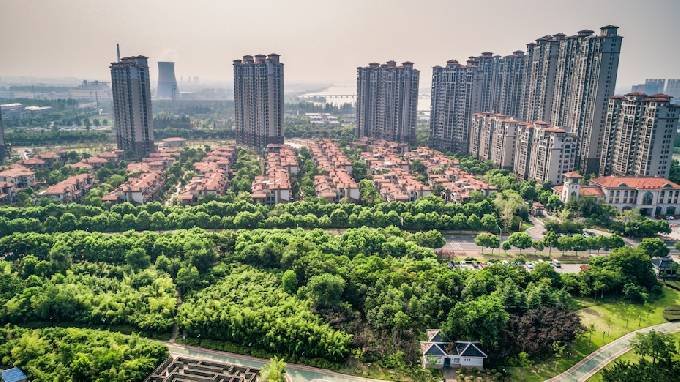
Investing in Developed Localities
Developed localities are already established with strong infrastructure, social amenities, and high demand.
Advantages:
- Limited Land Availability: Scarcity of land in established areas pushes property prices up and ensures stability. However, construction space is limited, which may restrict large-scale developments.
- Existing Infrastructure: Developed areas offer reliable roads, utilities, schools, hospitals, and connectivity, which makes living convenient.
- Lower Risk: Investments in these areas are generally safe due to stable demand, even if the price appreciation is slower.
Challenges:
- High Cost: Homes in developed areas are expensive, and you may have to compromise on size, modern amenities, or newer construction.
- Moderate Appreciation: While safe, properties in established areas typically see slower capital growth.
Investing in Developing Localities
Developing localities are emerging areas with ongoing infrastructure and residential projects. They are often more affordable and offer high growth potential.
Advantages:
- Ample Land Availability: More land is available for development, which keeps property prices affordable.
- Upcoming Infrastructure: These areas are often under active development, with new roads, public services, and amenities planned.
- Connectivity Potential: Investing near upcoming metro stations, highways, or transport hubs can increase property value in the future.
- High Appreciation Potential: Buying early in a developing area can yield significant capital gains as the locality grows.
Challenges:
- Higher Risk: Growth is dependent on timely infrastructure development and market demand, making investments less predictable.
- Delayed Amenities: Schools, hospitals, and commercial centers may take time to develop fully.
Tips for Investing in Developing Localities
- Check Historical Trends: Study past property price trends to assess the growth potential of the area.
- Explore the Locality: Visit the area and identify upcoming residential, commercial, and infrastructure projects.
- Focus on Strategic Locations: Choose localities near areas that have already peaked in value—they often become the next real estate hotspots.
- Set a Realistic Budget: Plan your finances to cover both the purchase and long-term benefits, whether through resale or rental income.
- Consult Experts: Work with local real estate agents and conduct thorough market research to make informed decisions.
Conclusion
Choosing between a developed and developing locality depends on your priorities:
- Developed areas suit those seeking convenience, stability, and low investment risk.
- Developing areas are ideal for investors looking for affordability, higher future appreciation, and long-term gains.
By analyzing factors such as infrastructure, connectivity, budget, and growth potential, you can make a strategic choice that aligns with both your lifestyle and investment goals.




Join The Discussion