

Investing in land differs significantly from buying an already constructed property. The type of land you invest in plays a major role in determining your returns. A common question among investors is: Which provides better ROI – residential or non-residential land? Many buyers overlook that non-residential land itself comes in various types, each with unique challenges and growth potential. To make an informed decision, it’s important to understand the different categories of land and the expected returns from each.
Types of Land
Land is broadly categorized into residential and non-residential. Non-residential land is further divided into:
- Industrial
- Commercial
- Agricultural
Government-owned land reserved for recreational or transportation purposes is generally allotted to private players through tenders.
Residential Land
Residential land includes plots or parcels designated primarily for owner-occupied homes or rental housing. Single-family homes, duplexes, and multi-family apartment buildings all fall under this category.
Local development authorities or town planning departments designate land for residential use. However, residential land can sometimes be used for other purposes, such as generating rental income, or, under special circumstances, for commercial or agricultural activities.
How to Buy Residential Land:
- Draft an agreement on Rs 50 stamp paper detailing:
- Agreed price
- Advance payment details
- Default clauses
- Land particulars (size, location, etc.)
- Register the property with the Sub-registrar after paying the applicable registration fee. Required documents vary by state—for instance, Gujarat requires a plot photograph, while Maharashtra asks for a property card and 7/12 extract.
- Get the property title mutated to your name in local land and revenue records.
Uses of Residential Land:
- Construct single-family or multi-family housing
- Generate rental income, considering:
- Proximity to amenities like schools, shopping, and workplaces
- Road access and connectivity to major town nodes
Non-Residential Land
Non-residential land refers to plots not primarily used for housing. Undeveloped land is technically non-residential but can become residential once a dwelling is constructed. Uses include educational institutions, hospitals, correctional facilities, hotels, agriculture, factories, and more.
Types of Non-Residential Land:
1. Industrial Land:
Land designated for factories, manufacturing units, warehouses, cold storage, light manufacturing, or R&D labs. These are often located on city outskirts to minimize conflict with residential areas.
2. Commercial Land:
Used for offices, retail spaces, or shopping complexes, usually located in city centers or well-connected areas. Commercial property can offer higher returns than residential property but comes with greater risk. Locations are classified as primary, secondary, or tertiary depending on proximity to city centers and infrastructure.
Advantages of Industrial & Commercial Land:
- Higher ROI: Industrial and commercial properties often yield higher returns. Industrial property may appreciate 7–10% annually, while commercial rentals offer 3–4% yield, higher than residential returns of 1–2%.
- Long-term tenants: Leases often span 3–10 years, sometimes up to 99 years, ensuring stable income.
- Low maintenance: Tenants usually handle repairs and upkeep.
- Tenants pay taxes: Lease agreements typically pass property taxes and rates onto tenants.
Agricultural Land
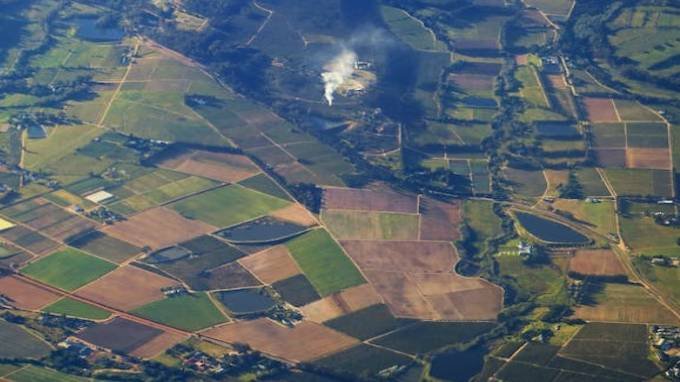
Agricultural land is arable land used for farming or pastures. In most Indian states, only farmers can buy agricultural land. Urban investors sometimes acquire farmland to earn long-term returns, often converting it later to residential or commercial land.
Pros of Buying Agricultural Land:
- High ROI potential: Land in rural or developing areas may increase significantly in value due to future infrastructure projects like SEZs or highways.
- Government compensation: Under the Land Acquisition Act, the government pays compensation for land acquired for public projects, often higher in rural areas.
- Tax exemptions: Rural agricultural land is not considered a capital asset; thus, gains from sale or government compensation may be tax-exempt.
Cons of Buying Agricultural Land:
- Purchase restrictions: Non-farmers are generally not allowed to buy agricultural land, except through inheritance or gifts.
- Complex conversion: Changing land use from agricultural to residential or commercial requires approvals and extensive paperwork.
- Land ceiling laws: State-specific laws restrict the maximum area of farmland ownership and leasing.
Tips for Buying Farmland:
- Ensure clear title and absence of litigation
- Verify state-specific rules regarding ownership limits and conversion permissions
- Confirm registration with local land authorities
Converting Agricultural Land to Residential Land:
- Apply for ‘change of land use’ with local authorities
- Submit documents including ID, mutation letter, sale deed, tax receipts, land survey map, soil and crop details, and any mortgages or litigation history


Join The Discussion