

Over the past few years, the real estate sector has witnessed a major shift toward sustainable and environmentally conscious construction practices. With climate concerns and the need to conserve natural resources gaining urgency, builders and developers are increasingly embracing eco-friendly materials and techniques. These alternatives help lower carbon emissions, minimise waste and promote long-lasting, healthier living spaces. If you’re exploring green homes or want to understand what makes a building truly sustainable, it’s important to pay close attention to the materials used throughout its construction.
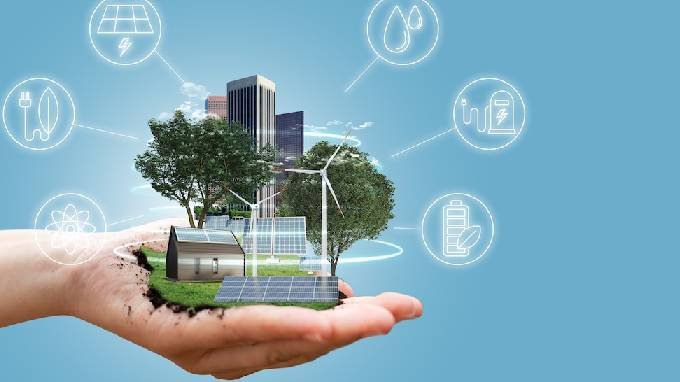
A green building isn’t defined only by advanced energy-saving technologies—it starts with the raw materials that go into its foundation and structure. The environmental impact of a building spans its entire life cycle, right from the first day of construction until decades after it is occupied. Recognising this, many developers today are switching to resource-efficient, durable and low-impact materials that support long-term environmental sustainability.
Below is an overview of some common eco-friendly materials increasingly used in today’s construction landscape.
Widely Used Environment-Friendly Construction Materials
1. Recycled Plastics
Recycled plastics contribute to reducing greenhouse gas emissions and offer durability for 30–50 years. They are used in ceiling and floor tiles, roof elements, PVC windows, insulation panels and composite lumber. When incorporated into bricks and concrete, plastic enhances strength and longevity.
2. Ferrock
Ferrock is a highly sustainable material made from recycled industrial waste such as steel dust. Stronger than traditional concrete, it is carbon-neutral and even absorbs carbon during its curing process. This makes it one of the most environmentally advantageous building materials available.
3. Aerated Concrete
Created from a mixture of cement, fly ash, lime, gypsum, aluminium powder and water, aerated concrete is lightweight, fire-resistant and mould-resistant. It provides excellent insulation, making buildings more energy-efficient and comfortable.
4. Bagasse Particleboard
Bagasse, the fibrous residue left after extracting juice from sugarcane, is an excellent substitute for wood. It is used in making lightweight and economical particleboards, ideal for laminated flooring and furniture applications. This material helps reduce the dependence on timber.
Green Alternatives to Traditional Construction Material
1. Bamboo
Strong, renewable and highly versatile, bamboo serves as an effective construction material for scaffolding, bridges, low-cost homes and flooring. Its excellent strength-to-weight ratio, fire resistance and sustainability make it especially suitable for earthquake-prone regions.
2. Hemp Concrete (Hempcrete)
Hempcrete is gaining global recognition as an eco-friendly alternative to traditional building materials. Formed by mixing hemp fibres with a lime-based binder, it produces a lightweight, breathable and insulating composite. Ideal for walls, floors and roof insulation, hempcrete promotes energy efficiency and indoor comfort.
3. Crystalline Silica
Produced from processed limestone waste, crystalline silica can effectively replace natural sand—especially important given ongoing sand shortages in many regions. Its use not only aids in sand conservation but also enhances the strength and durability of concrete mixes.
4. Rammed Earth
Rammed earth construction involves compacting slightly moist soil with low clay content to create thick, durable walls. Benefits include excellent thermal mass, improved temperature regulation, reduced noise transfer and minimal long-term maintenance.
5. Rice Husk Ash Concrete
Rice Husk Ash (RHA), obtained by burning rice husks, is a valuable admixture for concrete production. Its strength, resilience and high silica content make it an ideal option for eco-conscious construction projects.
6. Cellular Lightweight Concrete
Made using fly ash or volcanic ash, cellular lightweight concrete is known for its reduced weight, superior insulation properties and lower mortar consumption. It improves energy efficiency while easing structural load requirements.
Building a Greener Future
With innovative materials and technologies reshaping the construction industry, sustainable practices are becoming more widely accepted and accessible. Eco-friendly buildings offer environmental, economic and social benefits—from reduced energy consumption to healthier indoor environments and long-term cost savings. By embracing greener construction materials, developers and homeowners contribute to a more resilient and sustainable future.




Join The Discussion