

Recent tremors in Delhi NCR have left many residents wondering: Is my home safe in the event of an earthquake? With high-rise apartments becoming the preferred choice for urban living, ensuring earthquake resilience has become a top priority. Whether you live in a metro or a smaller city, understanding the seismic safety of your home is essential for both safety and long-term investment security.
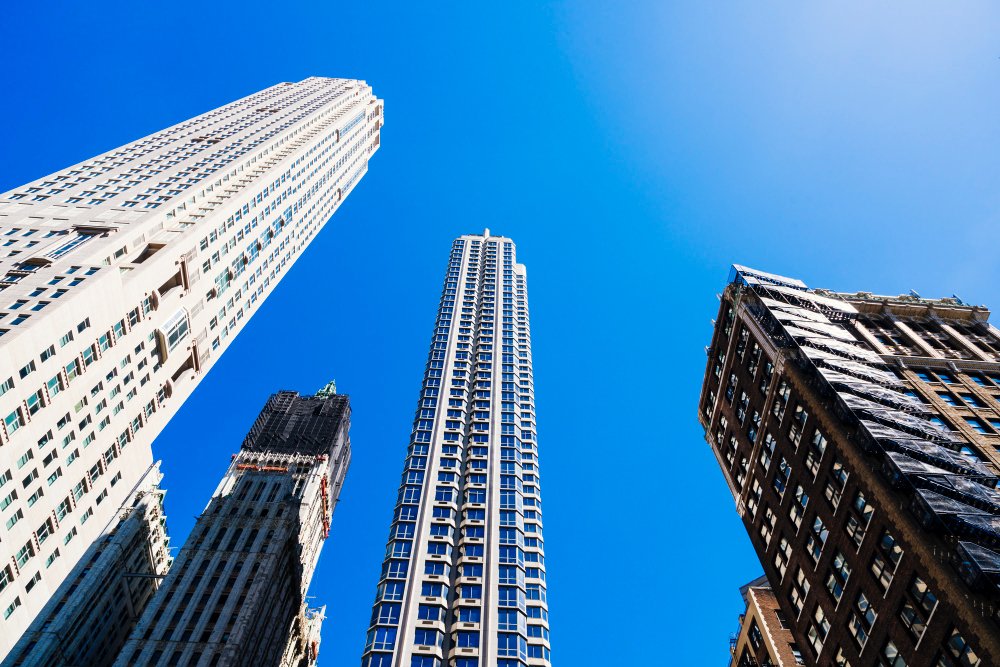
According to the Geological Survey of India (GSI), over half of India is at risk of earthquakes. By 2050, it’s estimated that more than 200 million urban residents will live in regions exposed to seismic activity and storms. This makes it crucial for homebuyers to ensure that their homes are built to withstand potential tremors.
Are You in an Earthquake-Prone Area?
India is divided into four seismic risk zones based on earthquake probability:
- Zone V (Very High Risk): Kashmir, Western and Central Himalayas, North and Central Bihar, Northeast India, Rann of Kutch, Andaman & Nicobar Islands.
- Zone IV (High Risk): Himachal Pradesh, Uttarakhand, Sikkim, North Punjab, Chandigarh, Western UP, Terai region, North Bengal, Sundarbans, Delhi.
- Zone III (Moderate Risk) and Zone II (Low Risk): Represent regions with comparatively lower earthquake probability.
If you are planning to buy a property in Zone IV or V, it is crucial to check for earthquake-resistant construction measures.
Earthquake-Resistant Construction Technologies
Buildings in seismic areas can incorporate specialized engineering methods to improve resilience. Some of the key technologies include:
- Dampers:
Shock-absorbing systems that convert seismic energy into heat energy through hydraulic fluids, reducing the force transmitted to the building. - Seismic Cloaking:
Underground plastic rings arranged in a grid under the foundation redirect seismic waves, preventing the building base from being directly impacted. - Levitating Foundations (Base Isolation):
Foundations float on lead-rubber bearings, allowing the superstructure to move independently of the ground motion. - Controlled Rocking Systems:
Elastic steel frames rock slightly during tremors while vertical cables help re-center the structure, keeping it upright. - High-Rise Specific Solutions:
- Large pendulum weights at the top dissipate seismic energy.
- Reinforced concrete core walls reduce floor acceleration and shear forces.
- Experimental use of shape-memory alloys allows columns to flex under stress and return to their original shape.
Earthquake-Resistant Construction Materials
Using the right materials is crucial for seismic safety:
- Reinforced Concrete: Concrete strengthened with steel to improve ductility and tensile strength.
- Ferrocement: Thin walls of concrete with metallic mesh reinforcement.
- Adobe Bricks: Made from earth, clay, and straw, ideal for absorbing tremors.
Always check with the project’s structural engineer about the materials used.
Tips for Buying in Earthquake-Prone Areas
- Check Compliance with National Building Codes (NBC):
Ensure the building follows seismic design standards like:- IS:1893 (2002) – General earthquake-resistant design guidelines
- IS:4326 (1993) – Earthquake-resistant construction of buildings
- IS:13827 & IS:13828 – Guidelines for earthen and low-strength masonry structures
- Identify Vulnerable Structures:
Homes made of unreinforced masonry, mud, or wooden structures, or buildings with irregular designs, are more likely to collapse. - Earthquake Insurance:
Consider Standard Fire & Special Perils (SFSP) policies with earthquake coverage. Ensure coverage is adequate for post-disaster recovery. - Professional Home Inspection:
Hire an engineer to evaluate structural integrity, materials quality, and overall earthquake resilience. - Consult Local Real Estate Experts:
Experienced agents can guide you on construction quality and seismic safety of buildings in the area.
Frequently Asked Questions
Houses made of reinforced concrete, steel frames, ferrocement, or adobe bricks are most earthquake-resistant. Buildings with regular shapes and proper foundation isolation perform better during tremors.
The safest locations are under sturdy furniture or in door frames of reinforced structures. Open areas away from windows and heavy furniture are also safer during strong shaking.
India’s seismic zones are:
- Zone II – Low risk
- Zone III – Moderate risk
- Zone IV – High risk
- Zone V – Very high risk
Middle floors are generally safer than top or ground floors in high-rise buildings. Structural integrity and adherence to seismic codes matter more than floor level.
No. Lifts should never be used during an earthquake as they can get stuck or malfunction. Always use stairs and evacuate cautiously.




Join The Discussion