

The construction industry is evolving rapidly, and modular construction is at the forefront of this revolution. By prefabricating building components offsite and assembling them on-site, modular construction significantly speeds up the building process. While it offers several advantages over traditional construction methods, it also comes with certain limitations. Infinity Housing explains the types, benefits, and challenges of modular construction to help homebuyers and builders make informed decisions.
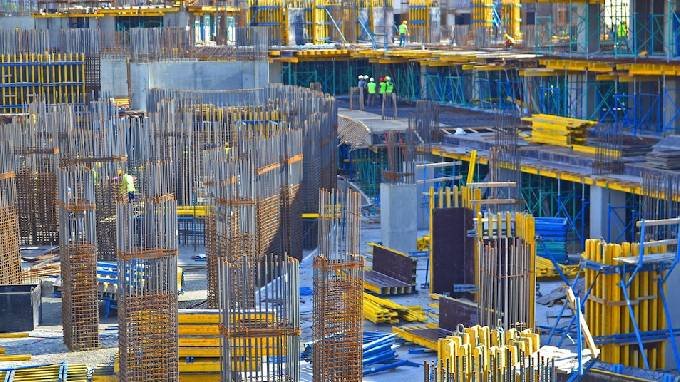
If you are planning to buy a home or finalising construction plans, understanding modular construction is essential. Homes built using modular techniques tend to be more energy-efficient, cost-effective, and durable than those constructed conventionally.
What is Modular Construction?
Modular construction is a sustainable and innovative building method where structures are prefabricated offsite in controlled environments. Components are pre-cut, pre-sized, and pre-moulded into modules or panels, which are then delivered to the construction site for assembly. This process allows for faster construction while maintaining consistent quality and minimal environmental impact.
Types of Modular Construction Systems
Modular construction systems can vary widely, but they are generally classified into the following categories:
- Two-Dimensional Panelised Systems
Also called non-volumetric pre-assembly, these panels can be insulated or non-insulated. They include windows, doors, electrical wiring, plumbing, internal lining, and external cladding. - Three-Dimensional Volumetric Systems
Fully finished units such as bathroom pods, plant rooms, or entire sections of a building are prefabricated in a factory and then installed on-site. These may include large portions of cladding and interior finishes. - Two- and Three-Dimensional Sub-Assemblies
Smaller components like stairwells, doors, and windows are partially finished offsite and completed during on-site assembly. Connections and joints are checked for precision upon installation. - Hybrid Systems
A combination of panelised and volumetric modules, hybrid systems are widely used in modern construction for their efficiency and flexibility. - Complete Building Units
Entire building exteriors are prefabricated in a factory with a high degree of finish. On-site assembly is minimal, but transportation of large units can be challenging, making this method less common.
Modular vs. Traditional Construction
Benefits of Modular Construction
- Faster Build Times
Construction duration can be reduced by 30–50% compared to conventional methods. Prefabrication allows site work, façade installation, and interior construction to occur simultaneously. - Eco-Friendly
Modular construction reduces carbon footprints by using recycled materials and minimizing on-site waste. - Cost Efficiency
Pre-planned components and reduced labor requirements lower overall costs. Prefabricated design services also reduce the need for additional architects. - Quality Control
Controlled factory conditions ensure precision and reduce risks such as warping or structural defects caused by weather or on-site errors. - Design Flexibility
Modular systems allow for adjustments in layouts, including elevators, stairwells, patios, and hallways, without compromising structural integrity.
Drawbacks of Modular Construction
- Financing Limitations
Banks may be hesitant to provide housing loans for modular construction projects, as payments are often required upfront or in stages tied to module completion. - Perceived Low Resale Value
As modular construction is relatively new in India, some buyers consider it less reliable, which may impact resale value. - Limited Design Options
Only a few developers have fully explored modular techniques, so available design layouts may be restrictive. - Finishing Issues
Small component sizes can sometimes lead to minor protrusions, cracks, or shrinkage in walls and slabs, affecting aesthetics.
Key Takeaways for Homebuyers
Modular construction offers a fast, efficient, and eco-friendly alternative to traditional building methods. However, buying a modular home requires careful consideration of financing, design limitations, and potential finishing issues. Consulting financial advisors, architects, and developers familiar with modular construction is essential before making a purchase.
By understanding the benefits and limitations, homebuyers can make informed decisions and enjoy the advantages of modern, sustainable living.




Join The Discussion