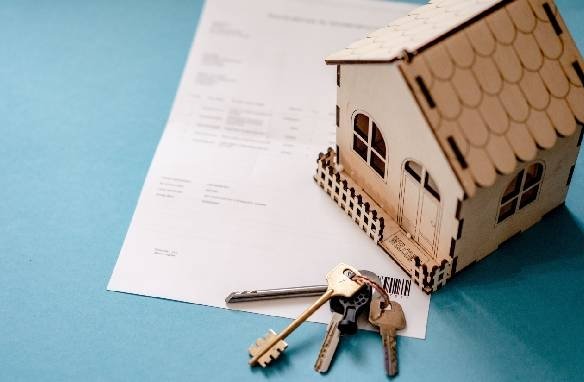

Rental income is one of the most dependable streams of passive earnings. However, jumping into the rental market without proper planning can lead to financial losses and long-term hassles. If you’re a first-time landlord and want a smooth, stress-free experience, this guide from Infinity Housing will walk you through all the essentials.

5 Tips to Help You Rent Out Your Home With Ease
Before listing your property, you must determine the right rental price. Charging too much will drive tenants away, while undervaluing your home means losing potential income. Compare rents of similar homes in your area and consider factors like location, amenities, property age, and market demand.
Also understand how rental income tax works—especially important for first-time or NRI (Non-Resident Indian) owners.
Here are five practical tips to help you prepare:
1. Evaluate the condition of your home
A vacant property often requires fresh repairs before it becomes tenant-ready. This may include:
- Fixing electrical faults
- Repairing plumbing issues
- Painting walls with damp patches
- Professional deep cleaning
A well-maintained, clean home always fetches higher rent and attracts more reliable tenants. Before pricing your home, add these refurbishment costs to your calculation.
2. Factor in maintenance expenses
Landlords often focus solely on rent and forget recurring charges like:
- Maintenance fees
- Society charges
- Garbage collection fees
- Parking or facility-related costs
Depending on your agreement, maintenance costs may be:
- Fully paid by the tenant
- Shared between both parties (most common)
- Included in the rent
If the tenant bears maintenance expenses, keep the rent competitive. If you’re sharing it, adjust your asking price accordingly to cover your portion of the cost.
3. Market your property well
Gone are the days when word-of-mouth alone could find you a tenant. Today, digital platforms offer much wider visibility.
You can list your property on trusted online portals like Infinity Housing, showcasing:
- Detailed descriptions
- Multiple photos
- Amenities
- Location benefits
This increases your chances of finding tenants quickly.
However, be cautious—digital platforms can also attract scammers. Stay informed about common rental frauds and follow safe practices when interacting with potential tenants.
4. Find the right tenant
There is no universally “perfect” tenant. Every landlord has unique preferences:
- Some prefer families for long-term stability
- Some prefer working professionals who pay on time
- Some limit rentals to students or bachelors for short-term occupancy
- Others look for tenants who maintain cleanliness
Be clear about your expectations while screening tenants. Ask important questions related to their lifestyle, employment, rental history, and duration of stay to ensure they fit your criteria.
5. Get a registered rental agreement
A rental agreement protects both landlord and tenant. It should always be registered and notarised, clearly stating:
- Names of landlord and tenants
- Property address
- Rental period
- Monthly rent
- Security deposit amount
- Rent hike percentage on renewal
- Notice period
- Maintenance responsibilities
- Rules (pets, visitors, parking, etc.)
- Repair duties
- Eviction terms
Ensure all parties sign it, and use appropriate stamp paper as per local laws. Ideally, consult a legal expert to make sure the contract is enforceable and compliant with state regulations.
Renting out your home can be a smart financial decision—when approached strategically. By preparing your property, understanding your responsibilities, and following the right process, you can enjoy stable and safe rental income with minimal hassle.
Frequently Asked Questions
In most Indian cities, residential properties generate a rental yield of 2–4% annually. The exact profit depends on location, demand, maintenance expenses, loan EMIs (if any), and property condition. Homes in prime areas may earn higher yields due to better connectivity and amenities.
Yes, rental income is considered a stable and reliable passive income source. It provides monthly cash flow, protects you against inflation, and offers long-term returns as property values appreciate. However, profitability depends on smart property management and responsible tenants.
- Keeping the property well-maintained
- Offering amenities like modular kitchen, wardrobes, ACs, or furnishings
- Ensuring the home is freshly painted and clean
- Providing a convenient environment (parking, safety, reliable appliances)
- Showcasing the property well through appealing photos and details