
Living in a rental home comes with comfort, flexibility, and shared responsibilities. While a landlord must hand over a clean and functional property, the tenant is expected to maintain it throughout their stay. Handling small repairs, reporting issues on time, and keeping the home in good condition helps avoid disputes and ensures a pleasant renting experience.
Here’s a detailed look at the repair responsibilities typically expected from tenants.
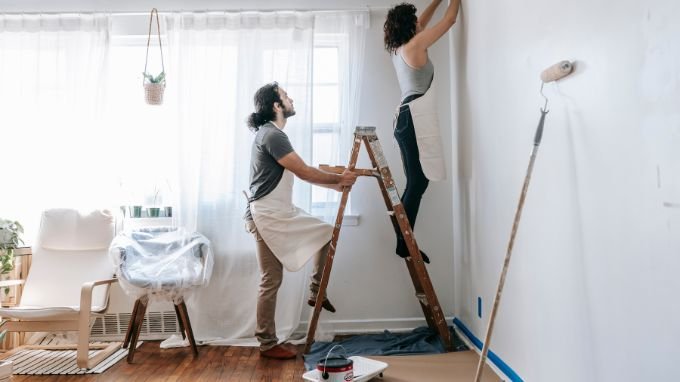
What repairs are tenants responsible for?
Before signing a rental agreement, both parties should discuss maintenance responsibilities clearly.
Generally:
- Landlords handle major structural or long-term repairs, and
- Tenants handle day-to-day maintenance and minor fixes.
Here are the most common repairs tenants are expected to manage:
1. Safety and security maintenance
Tenants are responsible for ensuring all safety equipment works properly. This includes:
- Checking smoke detectors and replacing batteries if needed
- Ensuring digital locks, video doorbells, or intercom systems function smoothly
- Reporting malfunctioning safety equipment promptly
Even though installation costs for safety devices are typically covered by the landlord or building society, their upkeep is the tenant’s responsibility.
2. Maintenance of appliances
If the rented home comes with appliances such as an AC, fridge, washing machine, or TV:
- Tenants must bear routine service charges, like AC cleaning or small repair work
- If appliances stop working due to regular use, the cost may be shared or handled by the landlord, depending on the agreement
- Full replacement of an old or worn-out appliance is usually the landlord’s duty
- If the tenant causes damage due to misuse, they may be required to compensate the landlord
Clear communication prevents confusion about who pays for what.
3. Minor plumbing problems
Day-to-day plumbing issues fall under the tenant’s responsibilities, such as:
- Leaking taps
- Clogged sinks
- Blocked bathroom drains
These are inexpensive to repair and can be handled by the tenant directly.
However, major plumbing failures, like pipe bursts, water seepage from walls, or rusted pipelines, must be repaired by the landlord, as they relate to the property’s infrastructure.
4. Grouting and sealant fixes
Over time, the gaps between tiles—especially in kitchens and bathrooms—start collecting dirt or break apart.
Tenants should:
- Inspect areas with loose or damaged grouting
- Clean and re-grout when required
- Use sealants to prevent moisture accumulation
Maintaining clean grouting reduces chances of mould, hygiene issues, and water seepage.
5. Miscellaneous repairs
Small, inexpensive repairs that tenants are typically responsible for include:
- Fixing loose door handles
- Replacing fused bulbs
- Repairing jammed cabinet hinges
- Fixing non-functional switches
- Lubricating squeaky doors or windows
However, major upgrades or replacements, such as a complete lock change, new wiring systems, or full replacement of lights and holders, fall under the landlord’s responsibility.
A well-maintained rental home benefits both parties. Tenants should always:
- Inspect the home before moving in
- Document existing damages
- Report issues immediately
- Carry out small repairs on time
This ensures a smooth and conflict-free renting experience.
Frequently Asked Questions
No. General wear and tear from everyday use—such as faded paint, minor scratches, or ageing appliances—is usually the landlord’s responsibility. Tenants are only responsible for damage caused by misuse or negligence.
A landlord can deduct repair charges for damages beyond normal wear and tear. However, they cannot deduct the full security deposit unless the damage costs genuinely match the amount. Tenants should always ask for an itemised deduction list.
Tenants are not required to repaint the home unless the rental agreement explicitly states it. Painting is generally a landlord’s responsibility. However, if the tenant has caused stains, wall damage, or excessive markings, they may need to pay for partial repainting.
- Tenant pays for minor, daily-use repairs
- Landlord pays for structural repairs, major appliance replacements, electrical rewiring, plumbing failures, and long-term damage