

Buying a home is one of the biggest investments in life. While the **Basic Selling Price (BSP)** forms the foundation of property costs, several additional charges—both developer-imposed and government-mandated—can significantly increase the final amount a buyer pays. Let’s break down the total property cost and its components.
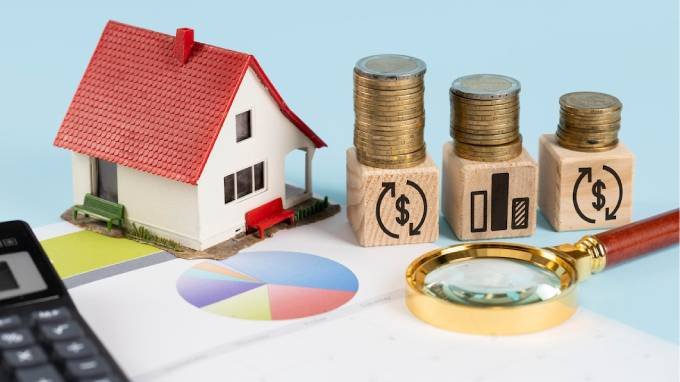
What is BSP (Basic Selling Price)?
The BSP is the core price of a property and does not include taxes, registration, or maintenance charges. It primarily consists of:
- Undivided Share (UDS) of Land – This refers to the portion of the land assigned to an apartment within a society, which is legally registered in the owner’s name.
- Construction Costs – This covers labor, materials, and other expenses related to building the apartment.
Essentially, when you purchase a property, you are paying for both the land and the construction work.
Additional Charges by Developers
Apart from the BSP, developers often levy other costs. Some of the common ones include:
- Preferential Location Charges (PLC)
- PLCs are added for apartments in premium locations such as corner plots, units facing parks, roads, or golf courses.
- In Delhi NCR, lower floors are more desirable, while in Mumbai, higher floors are preferred. PLCs are calculated per square foot and vary depending on the location.
- Parking Charges
- Many developers charge for covered parking spaces, typically ranging from ₹2 lakh to ₹5 lakh per unit.
- Charges may also apply for additional parking spaces if required.
- Maintenance Fees
- Societies levy maintenance charges for amenities and upkeep. These may be collected monthly or as a bulk payment when moving in.
- Charges exceeding ₹7,500 per month attract an 18% GST on maintenance fees.
- Club Membership Fees
- Modern housing societies often provide club facilities like gyms, swimming pools, and party lawns.
- Buyers usually pay a one-time membership fee, and in some cases, recurring charges apply.
- Civic Amenities Charges
- Developers may charge for facilities like fire safety, water supply, and electricity backup.
- Examples include External Electrification Charges (EEC) and Fire Fighting Equipment Charges (FFEC).
- External Development Charges (EDC) and Infrastructure Development Charges (IDC)
- These are government charges paid by the developer for developing infrastructure like roads, parks, and drainage.
- The cost is ultimately passed on to the buyer.
Government-Imposed Costs
When buying a property, buyers also pay certain fees directly to the government:
- Goods and Services Tax (GST)
- Applicable to under-construction properties.
- Properties above ₹45 lakh: 5% GST (without Input Tax Credit).
- Affordable properties (up to ₹45 lakh): 1% GST.
- Stamp Duty and Registration Fees
- Stamp duty and registration fees legally transfer ownership of the property to the buyer.
- Stamp duty: Usually 4–8% of the property value.
- Registration fees: Typically 1–3% of the property value.
- Some states offer reduced rates for women or rural property buyers.
Key Takeaways
- The total cost of a property is the sum of the BSP, developer charges, and government fees.
- Buyers should also consider potential project delays and inflation, especially for under-construction properties, as these can increase overall costs.
FAQs
The total property cost includes the Basic Selling Price (BSP – land and construction), developer charges (PLC, parking, maintenance, club membership, civic amenities, EDC/IDC), and government fees (GST, stamp duty, registration).
Yes, EDC is charged by developers to cover infrastructure development costs and is added to the total property price, affecting the final cost to buyers.
Parking charges and club memberships are typically decided by the developer. While parking is often necessary, club memberships may be optional but are usually encouraged for access to amenities.




Join The Discussion