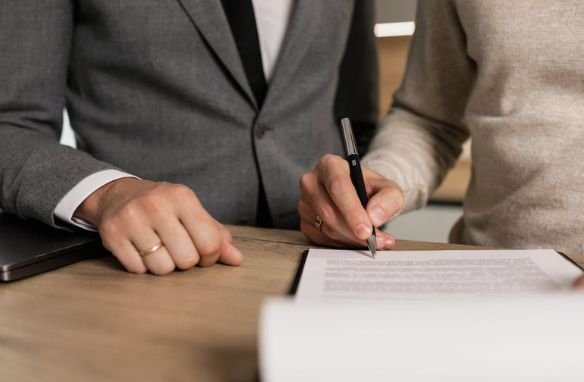

First impressions can significantly influence a buyer’s decision. Whether your property is brand new, lived in, or completely empty, visitors form opinions the moment they step inside. Everything—from cleanliness and maintenance to overall presentation—plays a role. To help ensure smoother site visits and better responses from buyers, here are key mistakes you should avoid.
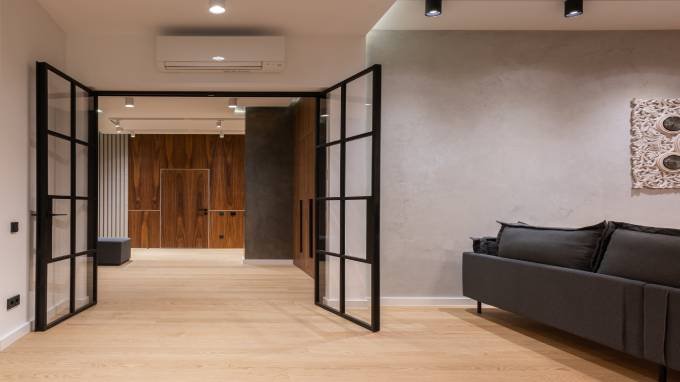
Things to Avoid During Buyer Site Visits
1. General mistakes to avoid during property showings
Regardless of the occupancy status, sellers often overlook crucial details that can affect the way buyers perceive the home. Preparing in advance and planning each visit carefully is essential for creating a positive experience.
If the Property Is Occupied by Tenants
When selling a tenanted property, two major challenges typically arise:
1. Difficulty arranging visits
Tenants may not always be available, leading to situations where buyers arrive but are unable to view the property. Such last-minute inconveniences create a poor impression and should be avoided.
2. Tenants may highlight drawbacks
Since moving out is inconvenient, some tenants may intentionally point out negatives to delay their relocation.
To manage these issues effectively:
- Always coordinate with tenants before fixing a visit.
- Never allow buyers to tour the property without you. They will likely have questions that tenants may not answer correctly.
- Some buyers feel uncomfortable when someone else is living in the home. Lead the tour confidently and guide them through each space at a comfortable pace.
- Avoid showing a messy or unprepared property. Simple touch-ups—fresh paint, polished cabinets, repaired fixtures—can greatly enhance appeal.
If the Property Is Self-Occupied
When you live in your home, scheduling visits is easier, but presentation mistakes are more common.
- General cleaning isn’t enough. A thorough deep clean—especially in kitchens and bathrooms—can instantly elevate the property’s look.
- Clutter makes rooms appear smaller. Declutter surfaces, rearrange furniture, and replace worn-out curtains to create a spacious, airy environment.
- Negotiations often begin during the visit. Avoid emotional reactions or defensive statements. Stay calm, highlight the home’s features, and treat the interaction professionally.
If the Property Is Vacant
Vacant homes come with their own challenges:
- Empty spaces may lack warmth and emotional connection.
- Without regular maintenance, dust accumulation and minor damages become more visible.
To improve a vacant property’s appeal:
- Add minimal staging—like basic furniture, decor items, or lighting—to help buyers visualise the potential.
- Complete essential repairs and ensure all electrical and plumbing fixtures work.
- Keep the property clean, well-ventilated, and free from musty odours.
- Don’t ignore outdoor areas—clean balconies, refresh garden spaces, or tidy entrance corridors to improve curb appeal.
Conclusion
Every property—occupied, vacant, or tenanted—requires thoughtful preparation before a buyer steps in. By avoiding common mistakes and presenting your home thoughtfully, you can significantly boost your chances of leaving a lasting positive impression and securing a better deal.
FAQ Answers
You can enhance a vacant home by adding minimal staging such as basic furniture, warm lighting, and a few decorative elements. Ensure the home is clean, freshly painted if needed, well-ventilated, and free from dust or odours. Functional fixtures, clean bathrooms, and a tidy entrance also help create a welcoming atmosphere.
The ideal time to sell often depends on local market conditions, but generally, demand is higher during the spring and early summer months. These seasons offer better weather for site visits and a larger pool of active buyers. However, sellers should always consider market trends, pricing conditions, and personal timelines.
Tenants may refuse a visit if it is scheduled without proper notice or disrupts their routine. Most rental agreements require landlords to inform tenants in advance before bringing visitors. Maintaining good communication, giving reasonable notice, and being respectful of their schedule helps ensure smoother cooperation.